Table of Contents
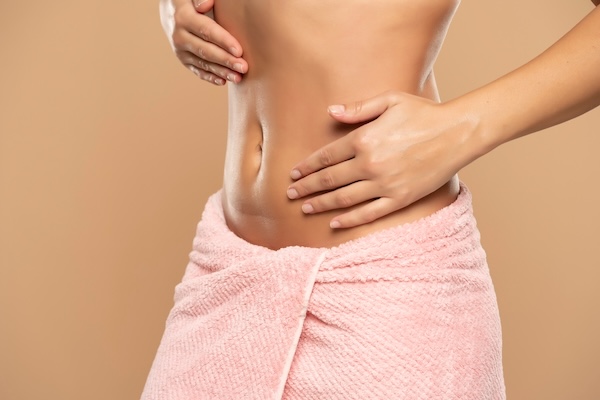
Lymphatic massage is also called manual lymphatic drainage. It is a therapeutic massage which targets your lymphatic system, with the lymphatic vessels running along the inside of your leg toward your groin or arm toward your armpit. Traditional massage which focuses on tension in the muscles. Lymphatic massage is different. Lymphatic massage uses light, rhythmic motions to try to help mimic the flow of lymph toward the body to the major lymph nodes.
All of these can increase fluid build up. Lymphatic massage tries to help the functioning lymphatics drain the area. The gentle circular pumping motions of the massage are applied in the direction the lymphatics flow (generally from the extremities toward the central body). It is thought this massage helps detoxify, improve circulation, lower inflammation, and support immune responses.
My answer is maybe.
For liposuctioned areas my answer is almost always yes to lymphatic massage. I do a ton of liposuction- it is a well used tool in my toolbox of plastic surgery. I use tumnescent fluid. You swell. Massage can help the areas soften and flatten faster. Common areas:
For surgical areas? NO. I do not want you to massage the breast itself after a breast reduction or lift. I do not want you to massage your abdomen after a tummy tuck. Or your face after a facelift. For those surgeries, your tissue is trying to seal and knit itself back together. Massaging it would be like moving a cup continuously as you try to glue the handle back on the cup- it won’t seal well.
There is no clear cut answer to this. If you are really swollen, bruised and in pain, gentle massage may be okay, but be careful you don’t create more swelling or bruising. In general I tend to have patients wait a week or two before they start so the initial wound healing response (with swelling and bruise) is subsiding before you start.
Ah. The industry that has grown around this. I am sure there are great massage therapists who could help my patients, but I have had multiple patients who were injured by too aggressive massage following surgery. Massage therapists are not surgeons. They don’t know where the internal sutures are, or where an area is that is fragile. If an area feels swollen is it simple swelling? or is it a fluid collection or something else?
I am a fan of YOU doing your massaging. I have met with you. I have told you where liposuction was done. I =show you where to massage. And the most important point? You will stop if it hurts. Massage therapists don’t feel your pain. They cannot gauge what is too light of pressure, versus too much, versus just right. Immediately after surgery LISTEN TO YOUR PAIN. Pain = don’t do that.
I like a rolling pin or foam roller for the legs and arms, starting at the knee or elbow and working TOWARD the body (the direction of lymph flow). For the body, bra strap area, love handles- use small circular motions. You can use a handheld massager if you want. This helps break up swelling and get the lymph moving. I also like gentle stretching for some areas.
The farther out from surgery, in general the less risky it is and the easier it is for you to transport to wherever you get the massage, but in general I am a fan of doing it yourself.
PLEASE, this is an area to discuss with your surgeon. Regarding massage- Where? When? What is okay? For my patients, I am happy to review in detail with you. Every patient is different in how they respond to surgery and what you can do when.
The information provided on this website is for general informational purposes only and does not constitute medical advice, diagnosis, or treatment. Always seek the advice of a qualified healthcare provider for any questions regarding your health or medical condition.